What endometriosis is
Endometriosis means tissue similar to the womb lining grows where it should not, on the ovaries, tubes or pelvic lining. Each period, this tissue bleeds too, causing pain and scarring.
It is a real, physical condition, not a low pain threshold and not in your head. It affects about one in ten women, and it can show up as painful periods, pain with sex, painful bowel movements or difficulty getting pregnant.
It cannot be fully seen on a scan in every case. Some endometriosis, like chocolate cysts on the ovaries, shows on ultrasound. The only certain way to confirm it is laparoscopy, which is also how it can be treated.
Signs to look for
Endometriosis looks different in different women. These are the patterns most often linked to it.
What happens at the clinic
- Your storyPain pattern, periods, sex, bowel habits and fertility plans.
- ExaminationDone gently, with a female attendant present; you can pause anytime.
- Tests if neededAn ultrasound to look for cysts and other signs.
- Your planPain control, hormone options or keyhole surgery, explained in order.
Treatment depends on your symptoms and whether you want to conceive. Options include pain relief, hormonal treatment to quiet the lesions, and laparoscopic surgery to remove them. Each is explained with its benefits and limits.
How to prepare
Tick these off before you come. Nothing is saved; it is just for you.
After your visit
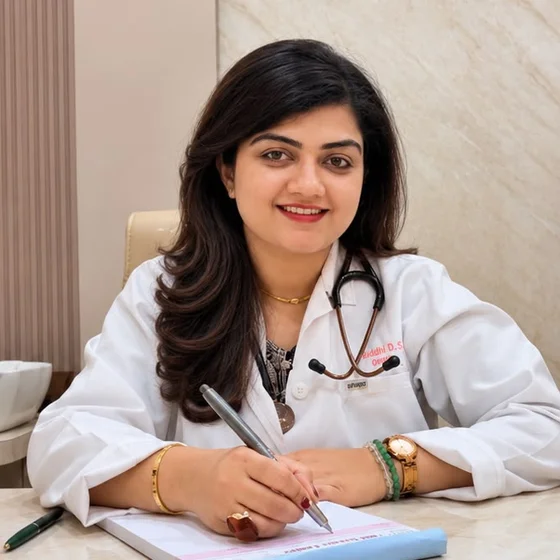
Endometriosis is followed over time. If medicine is chosen, the plan is reviewed within a few months. If surgery is needed, Dr. Riddhi explains what laparoscopy involves, what it can and cannot do, and what recovery looks like.
When to get help fast
- Sudden, severe tummy pain (a cyst can twist or rupture)
- Pain with vomiting or fainting
- Heavy bleeding with severe pain
Medical emergency? Call 108 or 112.
Questions
Can endometriosis be cured?
There is no permanent cure, but symptoms can be controlled well with medicines, surgery, or both. Many women get long, comfortable stretches with the right plan.
Will I be able to get pregnant?
Many women with endometriosis conceive, some naturally and some after treatment. Tell Dr. Riddhi about your plans early, because it changes which options are chosen.
Is surgery always needed?
No. Surgery is considered when pain stays despite medicines, when a cyst is large or growing, or when it may help fertility. It is never the automatic first step.
Why did it take so long to be found?
Because its signs overlap with ordinary period pain and it does not always show on a scan. A careful history is often the biggest clue, which is why the first visit focuses on your story.